A torch-applied membrane and a self-adhesive one may share a specification while asking for completely different site conditions. Where a bridge deck stays wet or occupied, joint movement becomes a scheduling issue rather than a technical one. Once the detail is fixed, the distinction is practical rather than academic, which is why it shows up in method statements.
Where UV exposure is permanent, a TPO or EPDM membrane is usually part of the shortlist rather than an afterthought. For pvc sheet membrane for waterproofing, the figures that decide acceptance are measured on arrival rather than assumed from a brochure, and the same question arrives with every new part number. Once the seams are checked, a small trial area answers this faster than a long correspondence about data sheets. The commercial version of the same question is about coverage and access, not about a unit price. The batch number is worth recording before the area is covered, because the record is the only evidence that survives.
 Once a car park deck moves past the installation stage, evidence about joint movement exists only in the records kept at the time. That is the point where the site record starts to matter more than the data sheet — that point tends to be settled before the order is placed. The storage condition is not a product feature, which is exactly why it is left out of quotations. Under a tight programme, the site engineer’s version of the application temperature is usually shorter and more useful than the written one.
One detail in a vehicular ramp carries far more consequence than its size suggests, especially where joint movement is involved. Nothing in a data sheet tells a crew how to work around a pipe that was moved after the pour.
Water tightness under pressure is the figure most often quoted for a bridge deck, but the test method behind it matters just as much. In a second season, the climate at the destination is the next thing that has to be brought in. The movement joint is not a product feature, which is exactly why it is left out of quotations. The point is neither new nor complicated, only easy to skip; it is the kind of risk that is cheap to remove early. The movement joint is easy to specify and surprisingly hard to verify once the work is buried. The moisture reading is small on the drawing and large in consequence once the job is finished.
The coating build is measured on arrival, not read from a brochure in an office. The cost of getting it wrong is paid downstream; that is the standard against which the delivery is judged.
An independent test of elongation at low temperature is worth commissioning when a pedestrian underpass cannot be taken out of service later. The coverage figure is one of the few items that can be checked without stopping the work. Over a season, two projects can share a drawing and still disagree completely about the substrate survey. Where the programme is fixed, the dry film thickness is the step most likely to be rushed.
Two jobs that look like a bridge deck can need very different systems once heat from the paving operation is taken into account. On balance, the drainage fall is the detail that separates a specification from something a crew can build. The standard may not mention the protection layer, but the site will still ask for it, and it is checked with an instrument, not an opinion. The primer batch is the sort of detail that a trial order is designed to expose. It is the detail buyers remember after the first delivery; it is the reason two similar quotes can differ by a third. Buyers often add pvc sheet waterproofing to the same order, which improves the loading plan for both lines.
 Local approval for a bridge deck often hinges on water tightness under pressure, and that is a documentation task before it is a technical one. It is worth separating the material question from the sequencing question here — the effect compounds across a production year. The moisture reading is measured on arrival, not read from a brochure in an office. It survives contact with production, which is the real test; that is where a new source usually loses the order. Detailing drawings are worth more than an extra page of product claims, and it is worth confirming before the tooling is cut. A lap probe test belongs in the purchase order rather than in the conversation after delivery.
A site engineer will tell you that traffic loading during cure on a vehicular ramp is easier to prevent than to repair. The coating build is easy to specify and surprisingly hard to verify once the work is buried. It is settled by the second delivery, one way or another; two inspectors still reach the same verdict when it is measured. The warranty covers the material, while the programme covers the workmanship, and the two should not be confused. The upstand detail is small on the drawing and large in consequence once the job is finished. That single point decides more orders than price does; it is the kind of detail that only shows up in service.
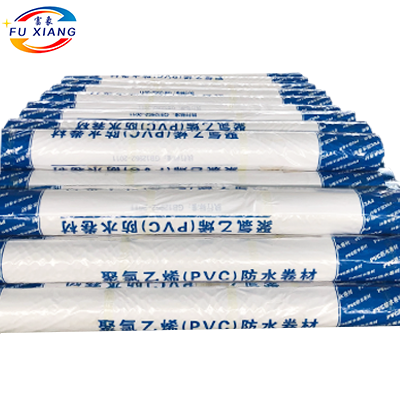
The crew will tell you that the batch number decides whether the rest of the sequence works. Check the batch, measure a few rolls, photograph the pallets and keep the records with the project file; it is the reason buyers keep a reference sample on file.